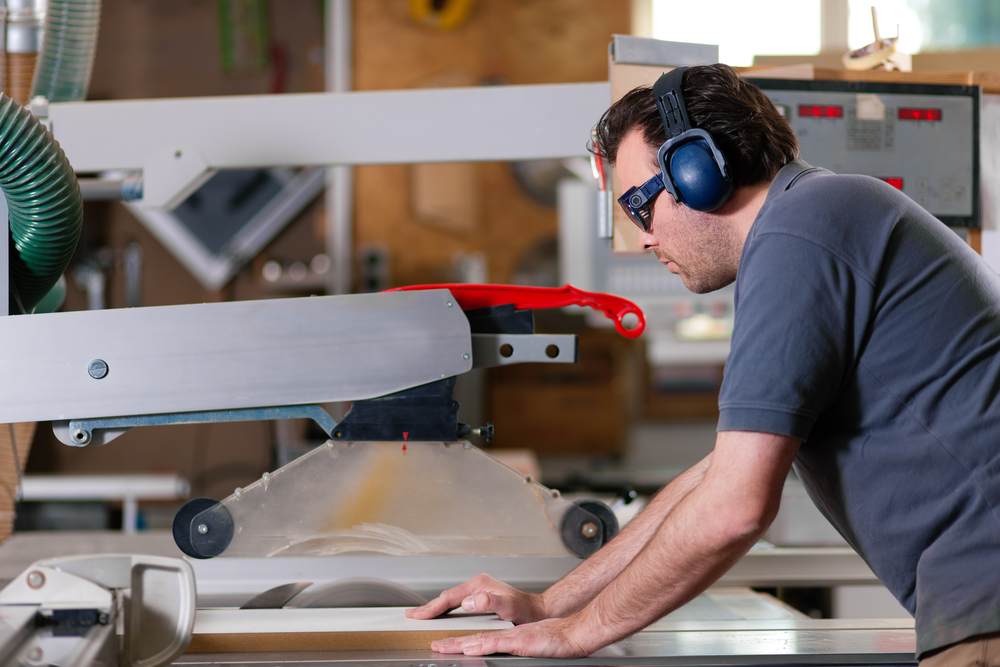
Prolonged exposure to loud noise can take a significant toll on your hearing health, chiefly in places where sound levels exceed safe thresholds. It is vital to shield your ears, not just to prevent hearing damage, but also to help you pay attention in loud settings. So, how do you select the right level of hearing protection for your situation?
Understanding noise levels and their results
When considering the impact of noise, the duration of exposure is as significant as the sound’s intensity. We use decibels—a unit that measures sound intensity—as the main metric for understanding noise levels. Once noise hits a level of 85 dB or above, it creates a threat to your hearing, mainly if the exposure is lengthy.
As a frame of context, 85 dB is about the same loudness as the sound of city traffic heard from within a car. Even though this might not sound overly intense, eight hours of continuous exposure at this level can cause the onset of harm to your hearing. As the sound increases in volume, the period of time you can be exposed securely decreases:
- A sound level of 90 dB (e.g., a Lawnmower) can cause damage after 4 hours of exposure.
- You should keep exposure to 100 dB (such as Power tools) to one hour or less.
- Damage is possible after only 15 minutes at the 110 dB level (Leaf blower).
- 120 dB (Rock concert): Any exposure at this level can damage your hearing.
- Exposure to 140 dB (Jet engine) results in immediate damage and intense pain.
How to detect risky noise situations
If you are routinely around noise at 85 dB or higher, hearing protection becomes an essential requirement. This is particularly true in job sites like building areas, factories, or any setting where machinery, tools, or gear produce excessive noise.
Beyond the work setting, situations like recreational shooting sports, using leaf blowers, or going to shows are cases where you may gain an advantage from using hearing protection due to the hazardous noise exposure.
Selecting hearing protection: Noise Reduction Ratings (NRR)
We gauge the effectiveness of hearing protection through its Noise Reduction Rating (the NRR). This rating shows how much sound the protector can attenuate, measured in decibels. Higher rating values offer more substantial protection. To give a concrete example, a 30 dB NRR on earplugs would drop an 85 dB noise down to 55 dB, which is a sound level far below the dangerous limit.
When making your selection, evaluate the actual noise volume you are facing and confirm that the protection reduces the sound below the 85 dB threshold.
Why comfort is crucial for wearing hearing protection consistently
Although the NRR is crucial, comfort is equally important for securing that the protection will be worn consistently over time. If hearing protection feels discomforting or awkward, you may be tempted to remove it—leaving your ears unprotected to harmful noise.
Choosing well-fitting hearing protection leads to consistent wear, thus decreasing the risk that you will be exposed to noise occasionally. If, for example, earmuffs feel uncomfortable or weigh too much, you are likely to take them off intermittently, resulting in dangerous noise exposure.
Exploring the various forms of ear protection
Hearing protection is available in multiple varieties, each with its pros and cons:
- Offering superior noise reduction, Foam Earplugs are placed inside the ear canal. While they are lightweight and disposable, some wearers may experience discomfort.
- Pre-Molded Earplugs: These rest just outside the ear canal and are reusable, making them a more sustainable option. They’re easier to insert and remove compared to foam earplugs.
- Covering the whole ear, Earmuffs are perfect for settings where noise volume changes, as they can be easily removed and replaced. Their drawbacks include potentially feeling warm or heavy over a long period.
Your selection should be based on your comfort tastes and the demands imposed by your setting. By way of illustration, a construction worker might choose earmuffs for their convenience, while someone working in a factory may select earplugs for continuous use.
Ensuring steady use
The protection that is used without fail is, by nature, the most effective kind. Removing the protection for even a short time of minutes can lead to lasting harm to your hearing. An option that successfully combines convenience, protection, and comfort is, therefore, key.
Taking steps for permanent hearing protection
We are always enclosed by noise, yet choosing the appropriate protective equipment ensures your ears are safeguarded, allowing you to continue enjoying your acoustic environment.
Connect with us today to assess your risk of noise-induced hearing loss and learn how to optimally maintain your hearing health.
