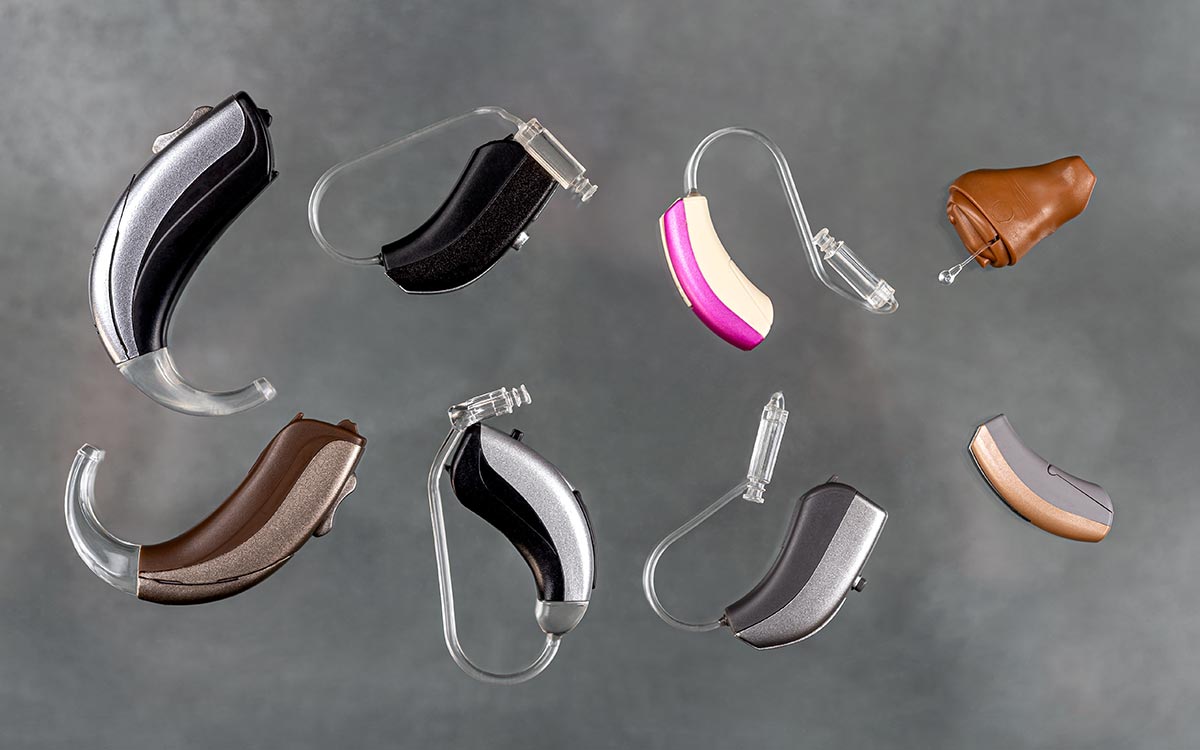
The sheer volume of hearing aid designs and technology levels on the market today can make the selection process feel complicated. But no matter your needs, there’s a hearing solution for every lifestyle, preference, and degree of hearing loss. The key is simply choosing the one that fits you best.
By learning about the distinctions among various hearing aid models, you can move forward with greater confidence and knowledge. We are going to study the primary styles available today to help you understand what sets each option apart.
The ITC (In-the-Canal) Style Explained
The Meaning:
ITC models are custom-made to sit within the ear canal, though a small part of the shell remains visible in the ear’s outer portion.
Why people choose them:
- Offers an improved shape than bulkier behind-the-ear units
- Specifically contoured to the user’s ear for a better fit
- Designed to treat low to moderate hearing impairments
ITC devices offer a good balance between visibility and functionality, making them a popular choice for first-time users.
Exploring IIC (Invisible-in-Canal) Options
The Idea:
IIC models are the most miniature custom-fitted hearing solutions you can choose. They are inserted deeply within the canal to remain hidden from view.
Why people pick them:
- The best option for users prioritizing appearance
- Natural sound quality due to microphone placement
- Lightweight and easy
Due to their small stature, these aids are generally recommended for low-to-mid-range hearing loss and users who want total invisibility.
ITE (In-the-Ear) Model Summary
Product Details:
A custom hearing aid fits securely within the outer ear, available in both full-shell and half-shell configurations. The shell is uniquely formed to the specific contours of your individual ear.
Why people choose them:
- The increased surface space offers space for extra functionality and extended power
- The physical size is simpler to hold and adjust for users with fine motor concerns
- Effective for a wide range of hearing impairments, ranging from mild to severe
Users regularly choose these models for their straightforward, single-piece construction that avoids any external wiring or tubing.
Exploring BTE (Behind-the-Ear) Styles
Functionality:
BTE hearing aids rest securely behind the ear. These models utilize a custom earmold or tubing to direct sound inside.
Reasons for Selection:
- Very flexible and durable
- Useful for nearly every level of hearing impairment
- Offer room for advanced features and rechargeable batteries
For those who value a reliable device that is easy to manage and provides plenty of volume, BTE is a top choice.
RIC (Receiver-in-Canal) Summary
Design Specifications:
RIC hearing aids look similar to BTE models, but the speaker (receiver) sits inside the ear canal rather than inside the device behind the ear.
Why users choose them:
- Provides an exceptionally clear and lifelike listening experience
- The ultra-thin style is equally light and nearly effortless to wear
- Great for many levels of hearing loss
Thanks to their comfort and visual appeal, RIC devices have become a gold standard.
Long-Term “Set and Forget” Hearing Aids
Overview:
An audiologist places these specialized hearing aids deep into the canal, where they stay for multiple weeks.
User Motivations:
- Perfect for wearers who want to bypass the routine of handling hearing aids daily
- They are virtually hard for people to notice because of their depth
- Designed to be worn throughout everyday activities, including sleeping and exercising
Extended-wear devices are ideal for patients who want an effortless approach.
Smart Hearing Aids with Wireless
What they are:
Connectivity-focused hearing aids that utilize Bluetooth to integrate with your digital life.
Modern Perks:
- Send calls, music, and audio straight to the hearing aids
- Adjust settings via an app
- Perfectly suited for the requirements of an advanced, connected individual
Most contemporary RIC, BTE, and ITC hearing aids currently provide a Bluetooth-enabled version.
Understanding Middle-Ear Implant Systems
Design Layout:
This technology involves an operative procedure to place a device that mechanically stimulates the bones of the middle ear.
Why implants are used:
- Serves as a critical alternative for those who find no success with traditional amplification
- Comfortable alternative for chronic ear issues related to traditional devices
Middle-ear implants are usually recommended only after a full evaluation by an ENT specialist.
Your Path to Improved Hearing
Selecting an instrument is a personal journey that takes into account your hearing severity, lifestyle habits, and visual preferences. A specialist can offer the guidance needed to test out different styles and find the one that fits your life perfectly.
If you’re prepared to investigate the possibilities, schedule an auditory evaluation today. This simple action is the foundation for improved hearing and better connections with those around you.
Sources:
https://www.mayoclinic.org/diseases-conditions/hearing-loss/in-depth/hearing-aids/art-
20044116
https://www.hearinglife.com/hearing-aids/types
https://www.nidcd.nih.gov/health/hearing-aids
