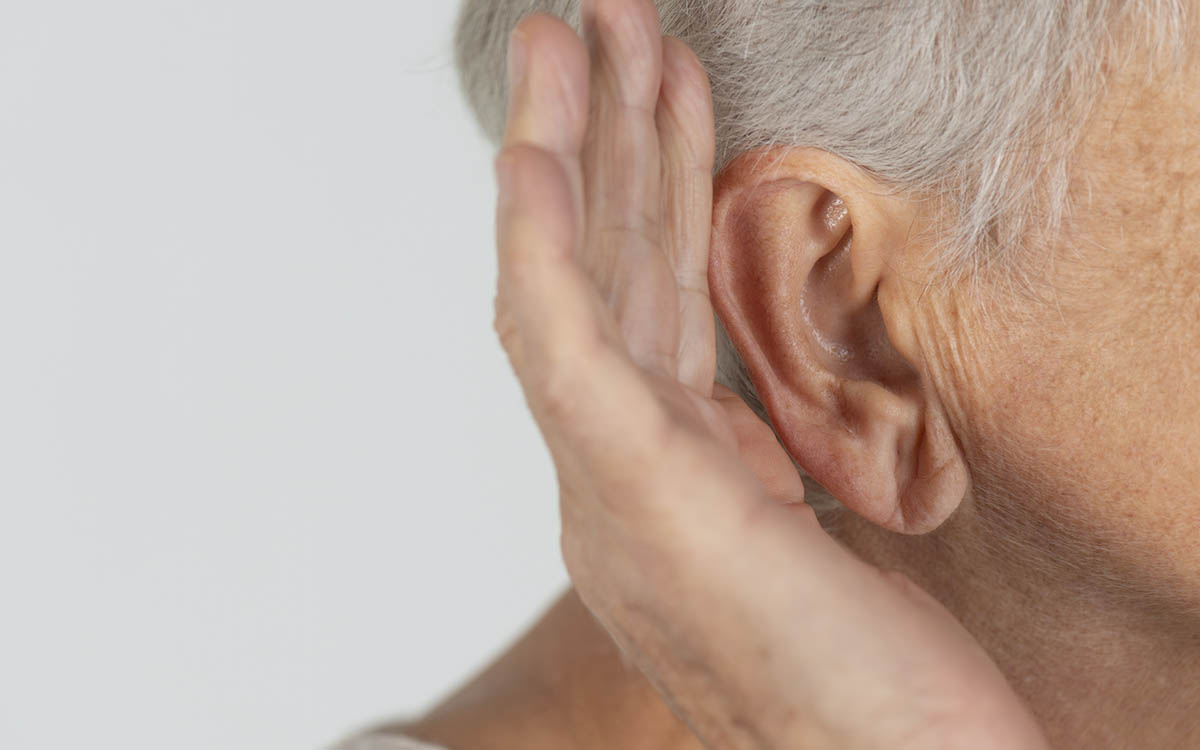
While many individuals correlate hearing loss to senescence, yet for a vast number of citizens, hearing damage begins much sooner. As one of the most prevalent and avoidable types of auditory impairment, noise-induced hearing loss typically progresses slowly, remaining undetected until the damage is irreversible.
Comprehensive knowledge of how chronic noise exposure affects the ears allows for preventative measures before substantial hearing loss manifests.
Pathophysiology of Sound-Induced Ear Damage
The pathology of noise-induced hearing loss involves trauma to the sensitive anatomical structures within the inner ear. According to the Centers for Disease Control and Prevention, sounds above 85 decibels (roughly the volume of heavy traffic) can begin to cause hearing damage with repeated or prolonged exposure. Louder sounds, like those from concerts, power tools, or firearms, can cause damage in minutes or even seconds.
Inside the inner ear are tiny sensory cells called hair cells. These units are responsible for translating sound waves into the electrical signals required for auditory perception. Following injury, these hair cells lack the biological capacity to regenerate, which renders noise-related hearing loss an irreversible condition.
The Cumulative Development of Ear Damage
One of the most concerning aspects of noise-induced hearing loss is that it often develops slowly. Initial signs of auditory overexposure may present as:
- Temporary ringing or buzzing in the ears (Tinnitus)
- Post-exposure auditory dullness or perceived muffling of sound
- Difficulty understanding speech in noisy environments
These early warning signs may fade, leading people to assume their hearing has “recovered”. Despite the lack of symptoms, persistent noise exposure causes cumulative injury to the ear, slowly reducing hearing clarity and sensitivity over time.
The Hearing Loss Association of America reports that approximately 48 million Americans experience some degree of hearing loss, often without recognizing the contributing factors.
Recognizing Routine Decibel Levels to Ear Health
Modern society is characterized by high ambient noise, which frequently leads to a lack of awareness regarding sound intensity. As a result, many individuals remain unaware of the clinical prevalence of damaging noise exposure.
Commonly encountered risks include:
- Professional music performances and concert environments
- The use of headphones at unsafe volume settings
- Motorized landscaping equipment, power machinery, and vehicles
- Industrial workplace environments such as warehouses and construction sites
Due to the routine nature of these sounds, auditory injury may accrue in the absence of overt symptoms.
Implementing Prevention in Auditory Health
Noise-induced hearing loss is physiologically irreversible, unlike many other health impairments. Despite its permanence, the condition is significantly preventable. The implementation of basic protective protocols can substantially mitigate risk, such as:
- The application of earplugs or attenuation earmuffs in loud areas
- Limiting headphone decibels and implementing the 60/60 rule for safe listening
- Incorporating auditory rest periods to allow for physiological recovery
- Scheduling regular hearing evaluations if you’re frequently exposed to loud noise
Indications for Professional Auditory Assessment
Patients observing ongoing Tinnitus, challenges in conversation, or shifts in auditory acuity should contact an Audiologist. Early assessment is critical for monitoring, education, and the development of protective strategies to help preserve your hearing.
Protecting your ears today helps ensure clearer hearing tomorrow. Exposure to noise is frequent, yet hearing loss can be successfully avoided through proper care. Contact our team today to schedule a consultation and make sure you’re hearing your best.
