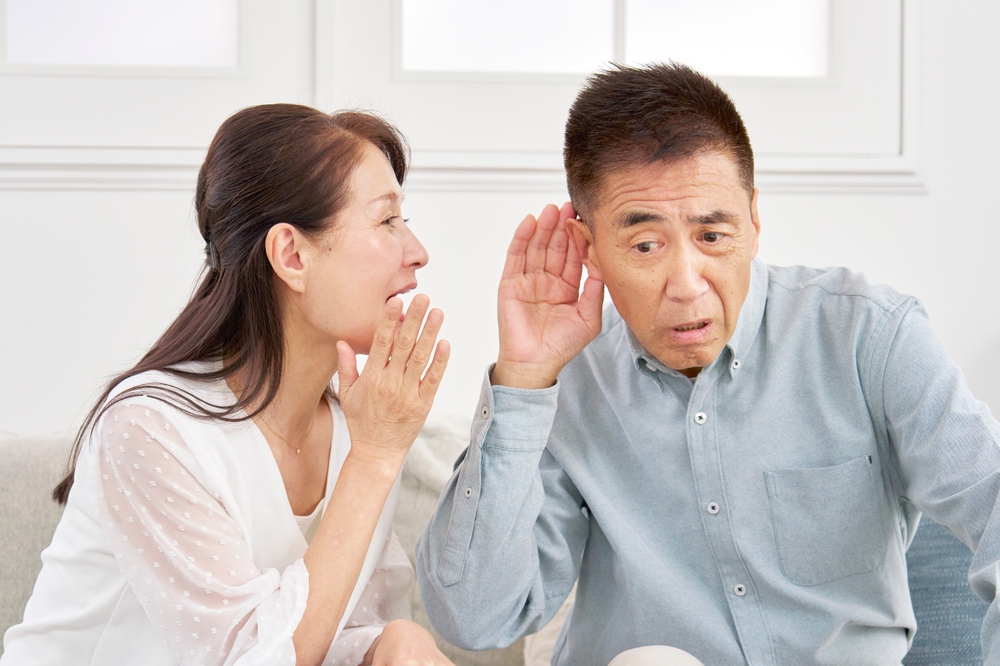
While auditory decline is statistically prevalent, pervasive misconceptions often deter individuals from pursuing clinical intervention. And with hearing loss, getting the right care at the right time is critical. Accepting hearing myths as fact typically results in late-stage intervention and diminished communicative function.
Identifying the facts behind auditory health allows you to navigate clinical options with technical certainty. Let’s take a closer look at seven hearing loss myths that deserve to be clarified, along with the truths that put them in their place.
1. Myth: Only Older Adults Have Hearing Loss
Though presbycusis is a standard clinical finding, hearing loss impacts every biological demographic. Auditory challenges in children and young adults often stem from noise pollution, heredity, or pharmaceutical side effects.
The “aging myth” frequently prevents young and middle-aged adults from pursuing an essential hearing test.
Myth Two: Auditory Awareness Equals Perfect Hearing
Clinical hearing loss exists on a spectrum and rarely results in immediate total silence. Patients with mid-range impairment often perceive environmental noise while losing the ability to decode complex speech. A broad range of auditory dysfunctions exists between asymptomatic hearing and complete deafness.
Early symptoms frequently manifest as “cocktail party effect” struggles or a need for constant clarification from speakers. These are common early signs of hearing changes that should not be ignored.
Hearing Impairment: More Than a Social Nuisance
Untreated hearing loss can affect more than just communication. Clinical studies associate untreated impairment with isolation, elevated cortisol levels, and accelerated cognitive decline.
Seeking early treatment safeguards your social connections and your long-term neurological function.
Myth: Amplification Devices Accelerate Ear Damage
The fear that hearing aids weaken the natural ear is a persistent but medically unfounded myth.
Digital hearing aids are designed to protect and support the ear, not injure it. They provide customized amplification that fills the exact deficits revealed during your professional assessment. Utilizing amplification prevents auditory deprivation, keeping the brain’s speech-processing centers active.
Myth Five: The Aesthetic Stigma Fallacy
Recent innovations in hearing science have prioritized both power and miniaturization. Today’s devices are smaller and more powerful than ever. Many hearing aids are nearly invisible when worn and can be customized to fit comfortably inside or behind the ear.
Modern tech includes advanced directional microphones and wireless streaming directly to the patient’s ears.
Myth: Small Hearing Changes Don’t Warrant Clinical Action
Even mild hearing loss can impact communication and daily life. Early treatment helps prevent listening fatigue and reduces the strain placed on the brain during conversations.
Early clinical action ensures that the brain’s auditory processing centers remain sharp and functional.
7. Myth: Over-the-Counter Solutions Are Always Enough
While some over-the-counter hearing devices may provide basic amplification, they are not customized to your specific hearing profile. A clinical hearing test allows an expert to program a solution specific to your biological requirements.
Personalized care makes a significant difference in both comfort and clarity.
Your Path to Clarity: Rejecting Common Hearing Fallacies
Auditory shifts can be daunting, leading many to avoid the clinic through a “denial” response. Auditory fallacies act as roadblocks to the treatment that could change your life today. A professional assessment is an easy, stress-free way to gain total clarity on your ear health.
Taking the first step toward a hearing test is the best way to safeguard your long-term communication. Prompt action protects your ability to engage with the world and maintains your mental well-being.
If you are ready for a professional assessment, our specialists are standing by to assist. Contact our office today to schedule your personalized hearing consultation.
