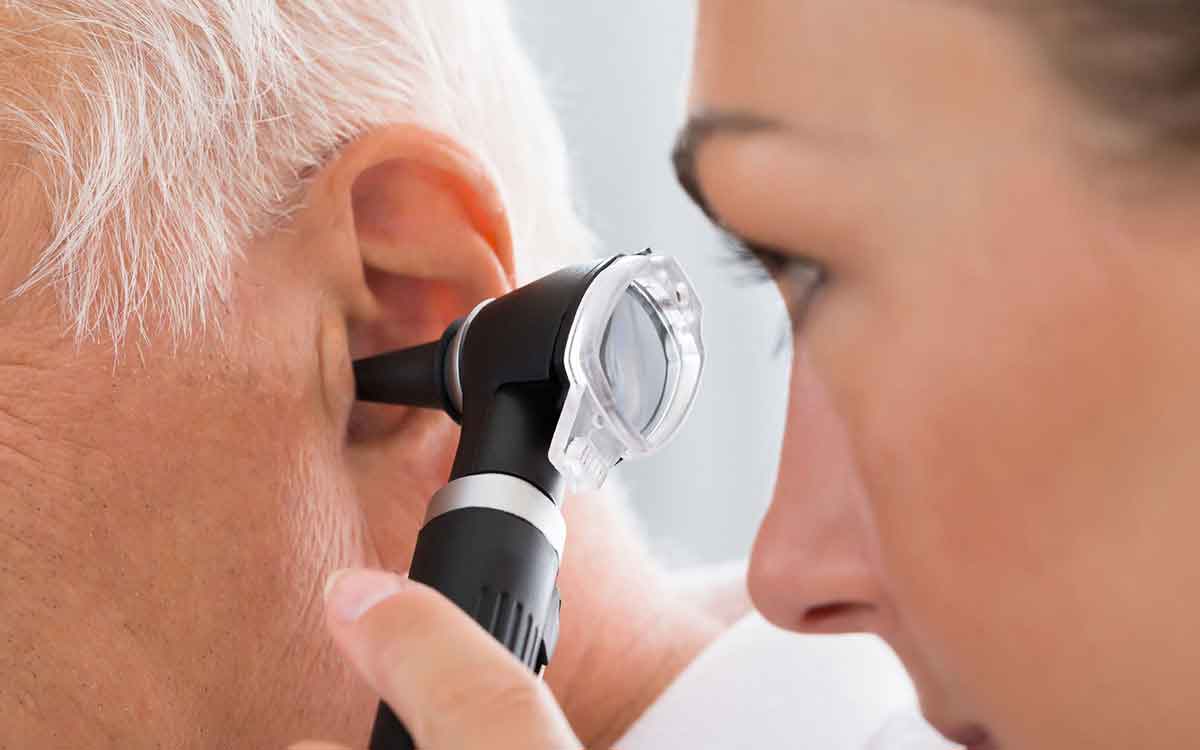
Hearing loss often occurs gradually, which results in it being overlooked during the preliminary stages. It is common for people to adjust to hearing shifts by elevating device volume and steering clear of gatherings with significant background noise.
Yet, the early recognition of hearing loss signs is key for protecting your hearing.
Frequent Indicators of Initial Auditory Decline
If you identify any of these indicators, we suggest arranging an audiological evaluation to establish a baseline.
- Impaired speech discrimination during dialogue in loud or crowded environments.
- Frequently asking people to repeat themselves.
- The perception of indistinct vocal communication where sounds lack definition.
- Turning up the volume on the TV, phone, or radio higher than others prefer.
- Decreased perception of high-frequency acoustic signals such as bird songs or doorbells.
- The presence of tinnitus, characterized by ringing or buzzing in the ears.
- Feeling mentally exhausted after social interactions, due to increased efforts to hear better.
- Retreating from communal environments as conversational tracking becomes difficult.
Preliminary indicators of auditory decline may appear in unilateral or bilateral patterns and fluctuate in frequency initially. Because the brain adapts quickly, many people don’t realize how much they’re compensating until hearing loss becomes more noticeable.
Hearing Loss By The Numbers
Data from the World Health Organization indicates that over 700 million individuals will need auditory rehabilitation by mid-century. Other relevant statistics consist of:
- By 2050, nearly 2.5 billion people are projected to experience some degree of hearing loss.
- Over 5% of the world’s population (430 million people) necessitates support to address disabling hearing loss.
- More than 1 billion younger individuals are at risk of avoidable hearing loss due to unsafe listening practices.
- Among those over the age of sixty, more than one-quarter suffer from clinically significant hearing loss.
Why Early Detection is Key
Untreated hearing loss can impact your overall health in manners that are often underestimated.
Clinical research has linked hearing loss with higher incidences of withdrawal, depression, impairment, and balance issues.
Recognizing changes early on promotes optimal results and varied management strategies.
A professional assessment identifies if hearing fluctuations are caused by aging, earwax impaction, or other systemic issues.
Occasionally, auditory changes are temporary and can be effectively addressed.
In addition, utilizing protective measures or digital hearing aids early may delay the advancement of hearing loss.
Recognizing the Need for Audiology Services
A clinical hearing assessment is warranted under the following circumstances:
- Early signs last longer than a few weeks.
- Hearing difficulties interfere with work, relationships, or daily activities.
- Instances of acute hearing loss, vertigo, or persistent ringing warrant prompt clinical attention.
Audiological evaluations are noninvasive procedures, yielding essential information into your ear health.
Reach out to our professional team today if you think you would find value in a hearing screening.
Auditory Health FAQ: Initial Symptoms
Question: Does hearing loss only occur with aging?
Answer: Not necessarily. Although presbycusis is prevalent, auditory shifts can stem from noise trauma, ototoxic drugs, or genetic factors.
Question: Is it possible to restore lost hearing?
Answer: Specific causes, including earwax blockage, may be susceptible to reversal through treatment. Permanent sensorineural hearing loss is typically managed using advanced hearing devices and management protocols.
Question: What is the recommended frequency for hearing screenings?
A: Adults should have a baseline hearing test by age 50, or earlier if symptoms or risk factors are present.
