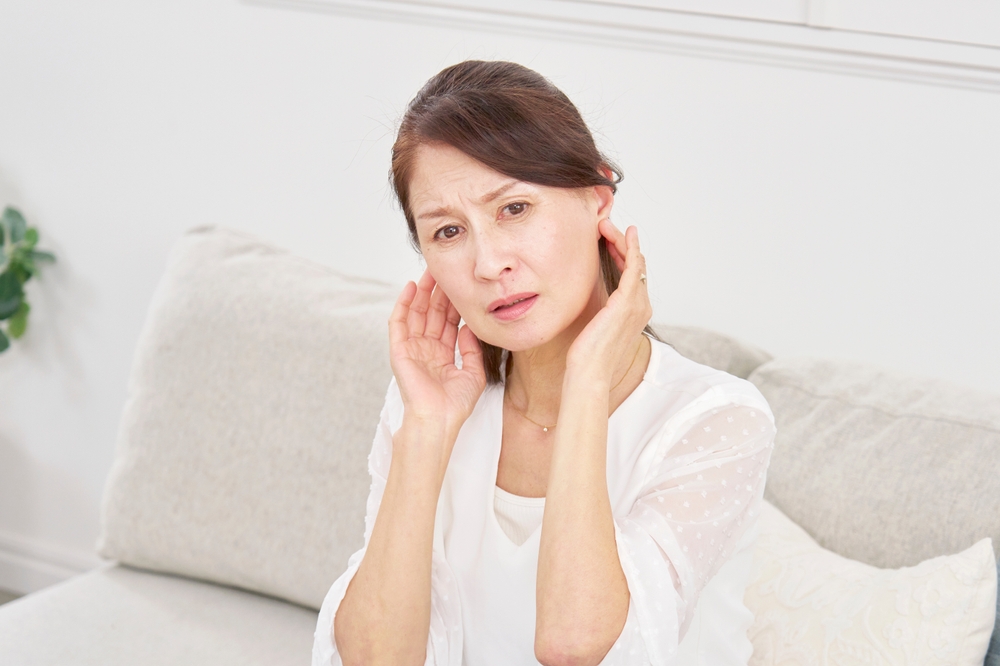
Waking up one morning and realizing you have lost your hearing is a frightening experience for anyone. Sudden hearing loss feels abrupt and disorienting, especially when it occurs without prior pain or warning. Although simple blockages are common, more critical auditory conditions demand a rapid medical assessment.
Identifying the frequent catalysts for fast hearing loss and acting decisively can profoundly impact your recovery path. In the following sections, we analyze the nature of sudden hearing loss, its likely origins, and the criteria for professional consultation.
Defining the Parameters of Sudden Hearing Loss
Sudden hearing loss generally refers to a swift decline in hearing that occurs within a few hours or up to three days. This loss is usually unilateral, although it can present in both ears under certain circumstances. Individual experiences vary from clouded hearing and tinnitus to a distinct sense of congestion or vocal distortion.
Identifying Sudden Sensorineural Hearing Loss
Sudden sensorineural hearing loss is one of the most urgent causes to evaluate.
The condition is rooted in physical damage affecting the cochlea, hearing nerve, or neural pathways. It often develops without a distinct trigger, but possible contributors include:
- Decreased vascular supply to the fragile inner ear structures
- Systemic inflammatory catalysts or autoimmune reactions
- Viral infections
- Advanced neurological conditions
Medical experts classify SSHL as an emergency because immediate therapy drastically enhances the chance of a full recovery.
Viral Infections
Specific viral strains can result in permanent or temporary hearing shifts by irritating delicate inner ear tissues.
Frequent viral triggers tied to sudden hearing impairment are:
- Normal upper-airway viral activity
- Various strains of influenza
- Herpes-based infections
- Potential auditory complications following COVID-19
Hearing symptoms often manifest during the height of an illness or in the early recovery phase, sometimes with vertigo.
Impact and Auditory Trauma
Accidental events such as head strikes, barotrauma, or intense noise exposure can damage the ear’s fragile anatomy.
Physical damage from injury often stems from:
- Physical impact to the cranium
- Sudden pressure changes such as barotrauma
- Sudden blasts of intense noise
- Fluid leaks or shifts within the labyrinth
Even minor injuries can affect hearing, especially if symptoms appear quickly afterward.
Earwax Buildup or Blockage
While not a medical emergency like nerve damage, impacted wax is a frequent cause of sudden auditory dullness.
Symptoms of blocked wax typically:
- Manifest with speed
- Sensation of fullness or pressure
- Primarily impact a single ear
- Resolve immediately upon professional cleaning
Critically, a self-diagnosis at home cannot accurately distinguish between a simple blockage and a nerve-related crisis. Consequently, an expert audiology assessment is essential.
Additional Factors in Rapid Auditory Decline
Other variables that can affect a sudden drop in hearing include:
- Ototoxic drug reactions
- Circulatory system irregularities
- Autoimmune inner ear disorders
- Rare growths affecting the auditory nerve
A detailed diagnostic battery is essential to eliminate these more complex causes.
Sudden Hearing Loss: Why Early Treatment Is Key
The single most vital piece of advice for sudden deafness is to seek care without any hesitation.
Seeking a rapid clinical assessment allows you to:
- Pinpoint underlying issues that can be corrected
- Enhance the overall success rate of clinical interventions
- Protect against lasting damage to the hearing nerve
- Limit the social and personal toll of long-term hearing impairment
Audiology testing plays a key role in determining the type and severity of hearing loss and guiding next steps.
Identifying Red Flags for Urgent Hearing Care
Do not delay seeking a specialist if you encounter any of these sudden changes:
- Unexpected deafness occurring in one or both ears
- Auditory shifts paired with a distinct sense of instability
- The rapid onset of ringing or aural fullness
- Auditory decline following a sickness or physical trauma
Though your hearing may seem to recover slightly, a professional check-up is still vital for a full diagnosis.
Rapid Diagnostics for Auditory Clarity
Modern testing quickly identifies the exact category of the loss, such as:
- Related to mechanical blockages or conductive barriers
- Sensorineural (inner ear or nerve-related)
- Temporary or potentially permanent
The sooner testing occurs, the more likely you are to achieve a positive medical outcome.
Take Sudden Hearing Changes Seriously
Abrupt hearing changes are understandably frightening, yet prompt action is your best path toward restoration.
If you notice an unexpected change in your hearing, getting a professional evaluation can protect your hearing health and your peace of mind. Our team is ready if you experience sudden hearing loss: Call our care team as soon as possible at our office for the help you need.
